Shopify vs Hostinger: Which Is Better in 2026?
Editor & Lead Reviewer, ToolsProZone
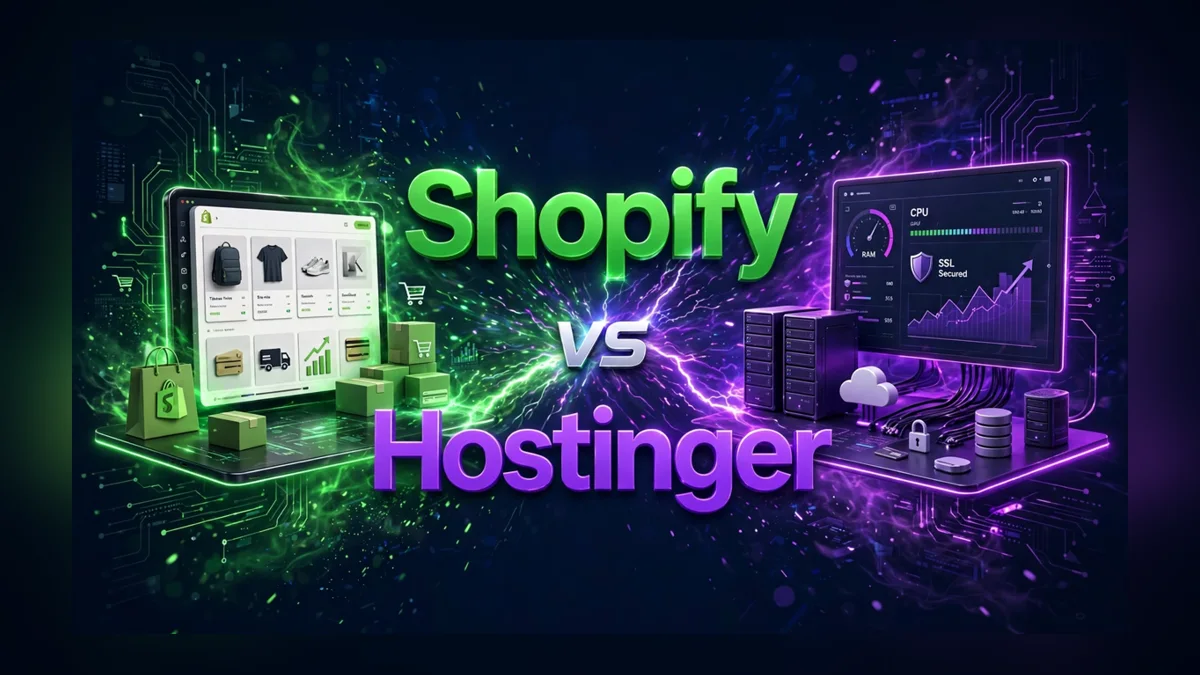
When comparing Shopify and Hostinger for ecommerce, each platform offers unique advantages tailored to different business needs. Shopify excels in providing an all-in-one ecommerce solution, while Hostinger stands out as a cost-effective option with more flexibility. Understanding the key differences between these platforms can help you make an informed decision for your online store.
Short answer:
Shopify is best for sellers who want an all-in-one ecommerce platform with built-in sales features, while Hostinger is best for budget-conscious users who want affordable hosting with WordPress and WooCommerce flexibility. Choose Shopify for ease of use and scaling, Hostinger if low cost and customisation matter most.
We may earn a commission if you buy through our links, at no extra cost to you.
Introduction to Shopify and Hostinger
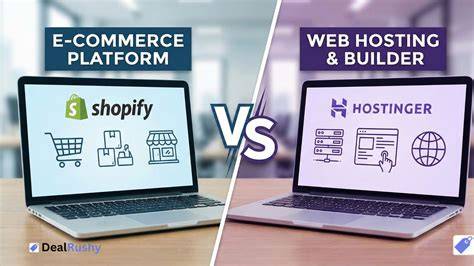
Shopify is a leading ecommerce platform that allows users to create online stores with minimal technical expertise. Its robust features cater specifically to ecommerce needs, making it a popular choice for businesses of all sizes. Hostinger, on the other hand, is primarily a web hosting service that offers an AI website builder and WordPress hosting, enabling users to set up online stores through WooCommerce or its own builder. This comparison will delve into various aspects of both platforms to help you determine which is better for your ecommerce needs.
Pricing Comparison
Shopify Pricing Breakdown
Shopify’s pricing structure consists of several tiers, starting with the Basic plan. Each plan includes essential ecommerce features, but costs can increase as you add more functionalities or use paid apps. Here’s a brief overview:
- Basic Plan: Ideal for new sellers, includes basic sales tools, and starts at a monthly fee.
- Shopify Plan: Suitable for growing businesses with advanced features and more support options.
- Advanced Plan: Designed for larger enterprises with extensive sales needs and advanced reporting capabilities.
Visit the official Shopify pricing page for the most current details.
Hostinger Pricing Breakdown
Hostinger offers a more competitive pricing structure, especially appealing to small businesses. The primary ecommerce plan includes:
- Business Website Builder Plan: Priced affordably per month, allowing users to build an online store with essential features.
- Ecommerce Add-On: This optional add-on can be purchased for additional functionalities.
Hostinger also provides a seven-day free trial, allowing users to test the platform before committing. Check the Hostinger pricing page for the latest updates.
Long-term Cost Analysis
When evaluating long-term costs, it’s important to consider renewal rates and potential hidden fees. Shopify’s plans generally maintain a consistent monthly fee, but additional costs can arise from apps and transaction fees if not using Shopify Payments. Conversely, Hostinger’s low initial costs can increase substantially upon renewal, so it’s crucial to factor in these future expenses when making your decision.

Features Overview
Key Features of Shopify
Shopify is packed with built-in features optimized for ecommerce, including:
- Product Management: Easily add, organize, and manage products.
- Multichannel Selling: Seamlessly integrate with platforms like Amazon and Facebook.
- Payment Processing: Offers Shopify Payments with reduced fees for transactions.
Key Features of Hostinger
Hostinger provides flexibility through its AI website builder and WooCommerce integration:
- Customizability: Users can tailor their online store using various themes and plugins.
- Affordable Hosting: Cost-effective plans designed for small businesses.
- AI Website Builder: Simplifies the website creation process with automated features.
Unique Selling Points
Shopify’s unique selling points include its comprehensive support for ecommerce businesses, including advanced analytics and customer engagement tools. In contrast, Hostinger’s strengths lie in its affordability and flexibility, allowing users to build a customized online presence without significant upfront investment.
Ease of Use
User Interface Comparison
Shopify features a clean, intuitive interface that guides users through the setup process. The platform is designed for quick navigation and ease of use, especially for beginners. Hostinger, while user-friendly, may require a bit more technical knowledge, particularly when using WordPress and WooCommerce.
Setup Process for Beginners
Setting up a store on Shopify is straightforward and typically involves selecting a template, adding products, and configuring payment options. Hostinger’s setup process can be more complex, particularly if you opt for the WordPress route, which involves additional steps like installing plugins and themes.
Sales Tools and Capabilities
Shopify Sales Features
Shopify excels with its comprehensive sales tools, including:
- Abandoned Cart Recovery: Helps recover potential lost sales.
- Discount Codes and Promotions: Create special offers to incentivize purchases.
- POS Integration: Supports in-person sales alongside online operations.
Hostinger Sales Features
Hostinger’s selling capabilities are primarily through WooCommerce, which offers flexibility but requires more manual setup for features like abandoned cart recovery and discounts.
Integration with Other Platforms
Shopify supports extensive integrations with various platforms, enhancing its ecommerce capabilities. Hostinger also allows integrations but may require more technical knowledge to set up.
SEO and Marketing Features
SEO Tools Comparison
Shopify offers built-in SEO tools that simplify optimizing your store for search engines, including customizable meta titles and descriptions. Hostinger provides SEO capabilities through WordPress, which can be more advanced but requires additional plugins and setup.
Marketing Integrations
Both platforms support various marketing integrations. Shopify has a more streamlined process for connecting to email marketing services and social media advertising, while Hostinger offers flexibility through WordPress plugins.
Customer Support
Support Options for Shopify
Shopify provides 24/7 customer support through various channels, including live chat and email. Their extensive knowledge base is also a valuable resource for users seeking assistance.
Support Options for Hostinger
Hostinger offers customer support via live chat and tutorials, but its focus is more on general hosting rather than specialized ecommerce support, which can be a drawback for users needing specific ecommerce guidance.
Response Times and User Reviews
Shopify typically receives positive reviews for its responsive customer service. Hostinger’s support is generally helpful but may take longer for ecommerce-specific inquiries due to its broader focus on web hosting.
Performance and Reliability
Uptime and Speed Tests
Both Shopify and Hostinger are known for their reliable uptime and fast loading speeds. Shopify manages everything on its end, ensuring optimal performance, while Hostinger’s performance can vary based on the hosting plan and website optimizations.
Scalability for Growing Businesses
Shopify is designed for scalability, making it easier for businesses to grow without switching platforms. Hostinger offers scalable solutions, but as your business grows, you may need to manage more aspects of your setup, which could require technical knowledge.
Content Gaps: What Competitors Missed
Latest Trends in Ecommerce
In 2026, trends such as AI-driven customer service and personalized shopping experiences are becoming increasingly important. Shopify is adapting to these changes by integrating AI tools, while Hostinger is also developing its features to meet market demands.
Emerging Technologies in Ecommerce Platforms
Both platforms are incorporating emerging technologies, such as virtual reality for product displays and advanced analytics for better customer insights, although Shopify currently leads in this area.
User Experience Enhancements
User experience is critical in ecommerce. Shopify focuses on creating seamless interactions, while Hostinger leverages its flexibility to allow users to customize their interfaces more extensively.
Final Verdict: Which Platform is Right for You?
Choosing between Shopify and Hostinger ultimately boils down to your specific needs. If you prioritize ease of use, built-in ecommerce features, and a streamlined experience, Shopify is the better choice. However, if you are on a tight budget and prefer flexibility and customization, Hostinger can be a suitable option—albeit with a steeper learning curve. Carefully consider your long-term business goals and technical capabilities before making a decision.
Our Verdict
Our verdict: choose Shopify if you prioritise ease of use, built-in ecommerce features and a streamlined experience, and choose Hostinger if you are on a tight budget and prefer flexibility and customisation, albeit with a steeper learning curve. Carefully consider your long-term business goals and technical capabilities before deciding.
Related reading: For other Shopify comparisons, see our Shopify vs WooCommerce comparison and our Shopify vs WordPress guide.
Frequently Asked Questions
What are the main differences between Shopify and Hostinger?
Shopify is built specifically for ecommerce, offering an all-in-one solution with robust sales features, while Hostinger is primarily a web hosting service that requires additional setup for ecommerce through WordPress and WooCommerce.
Which platform is cheaper, Shopify or Hostinger?
Hostinger generally offers lower prices, especially for its initial plans, while Shopify’s pricing is higher due to its comprehensive ecommerce features that cater to a wide range of sales needs.
How do the sales features of Shopify compare to Hostinger?
Shopify has more advanced built-in sales tools, including abandoned cart recovery and POS integration. Hostinger relies on WooCommerce for sales features, which may require additional setup and plugins.
Is Shopify easier to use than Hostinger?
Yes, Shopify is designed for ease of use, with a user-friendly interface and straightforward setup. Hostinger may require more technical knowledge, especially if using WordPress and WooCommerce.
What are the SEO capabilities of Shopify versus Hostinger?
Shopify provides built-in SEO tools that simplify optimization for search engines, while Hostinger offers SEO capabilities through WordPress plugins, which can be more customizable but require additional setup.
How does customer support differ between Shopify and Hostinger?
Shopify offers 24/7 customer support with a wealth of resources, while Hostinger provides general hosting support that may not be as specialized for ecommerce inquiries.
What are the performance metrics for Shopify and Hostinger?
Both platforms offer reliable uptime and fast loading speeds, but Shopify manages performance on its end, ensuring optimal conditions, while Hostinger’s performance can depend on the hosting plan and setup.

Similar Posts